
Recipe Notes:
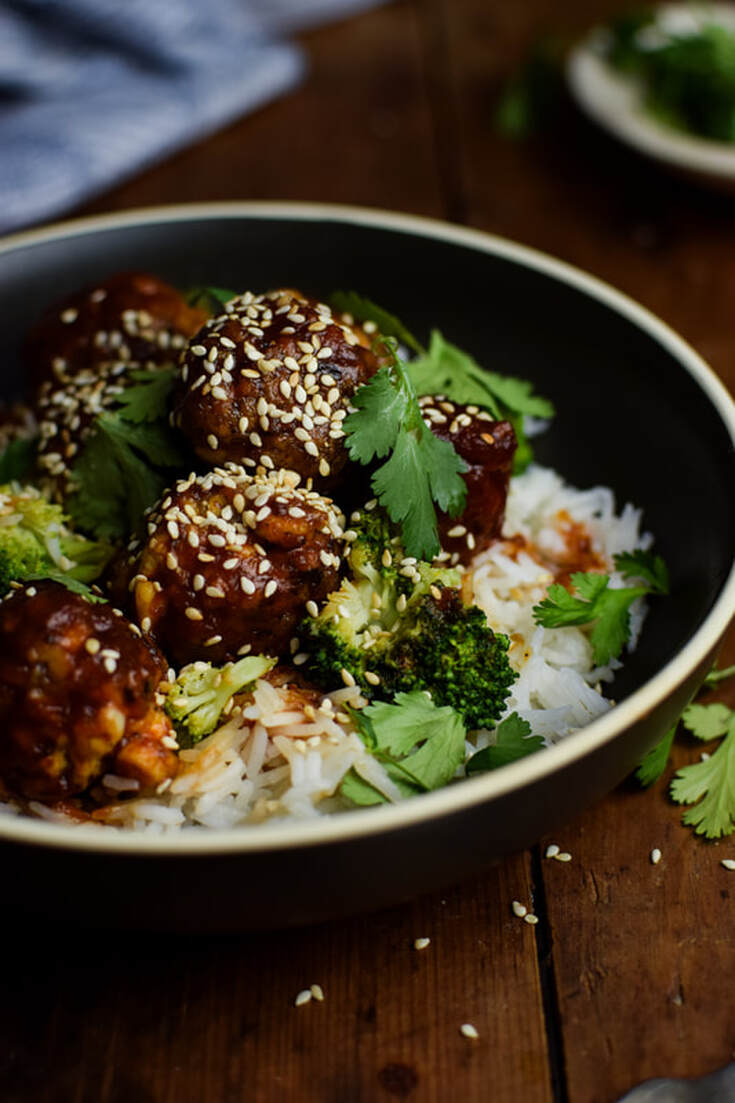
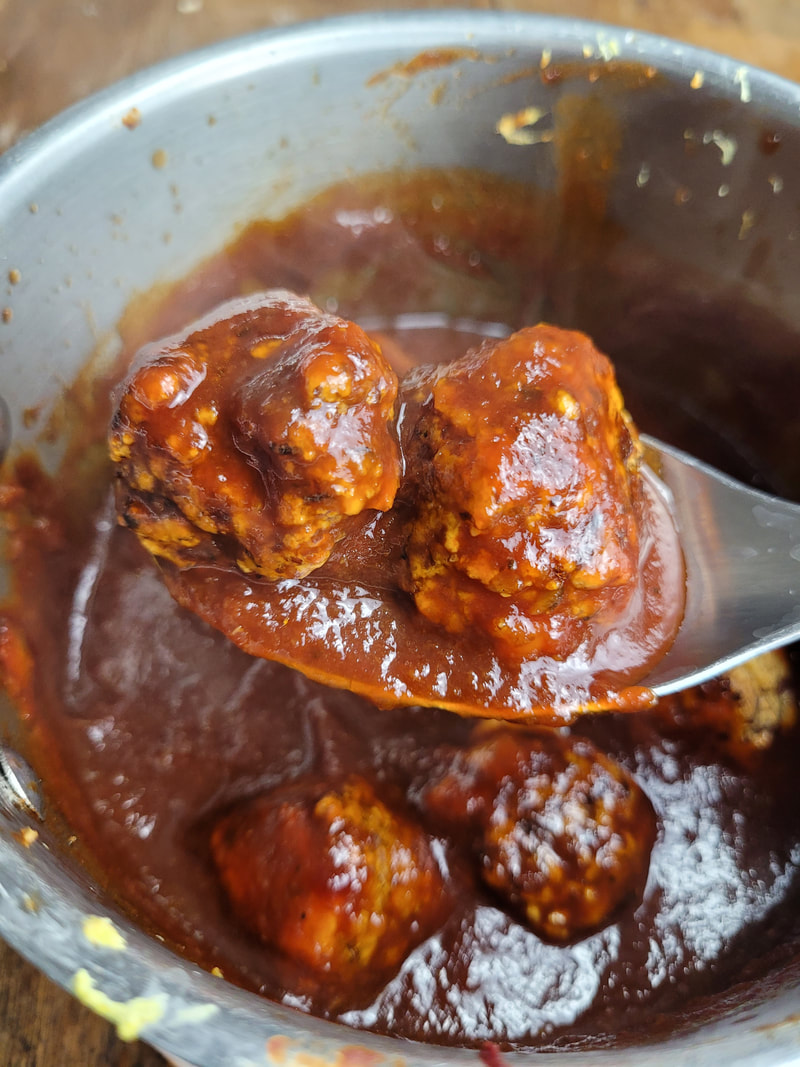
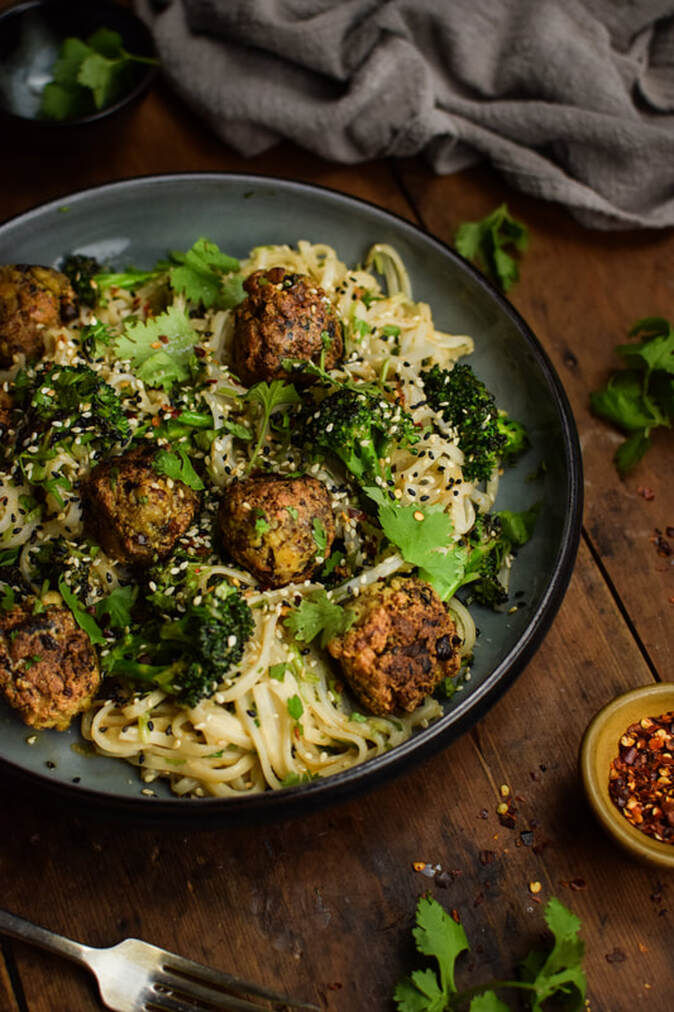
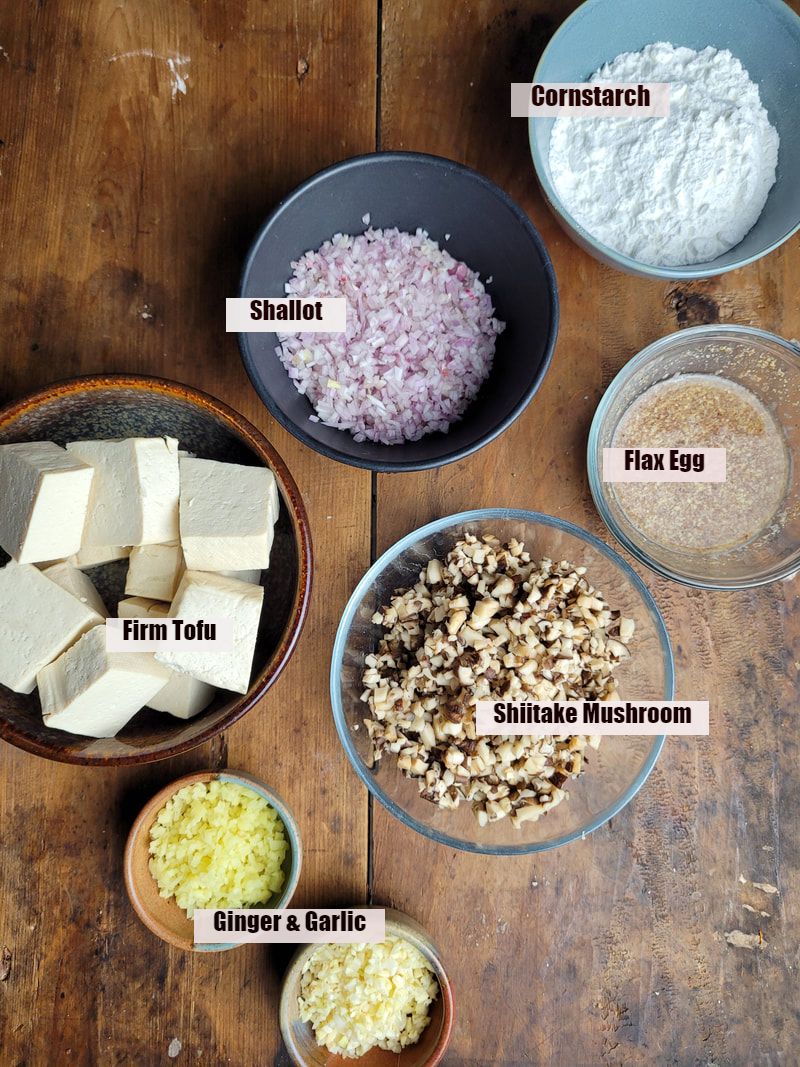
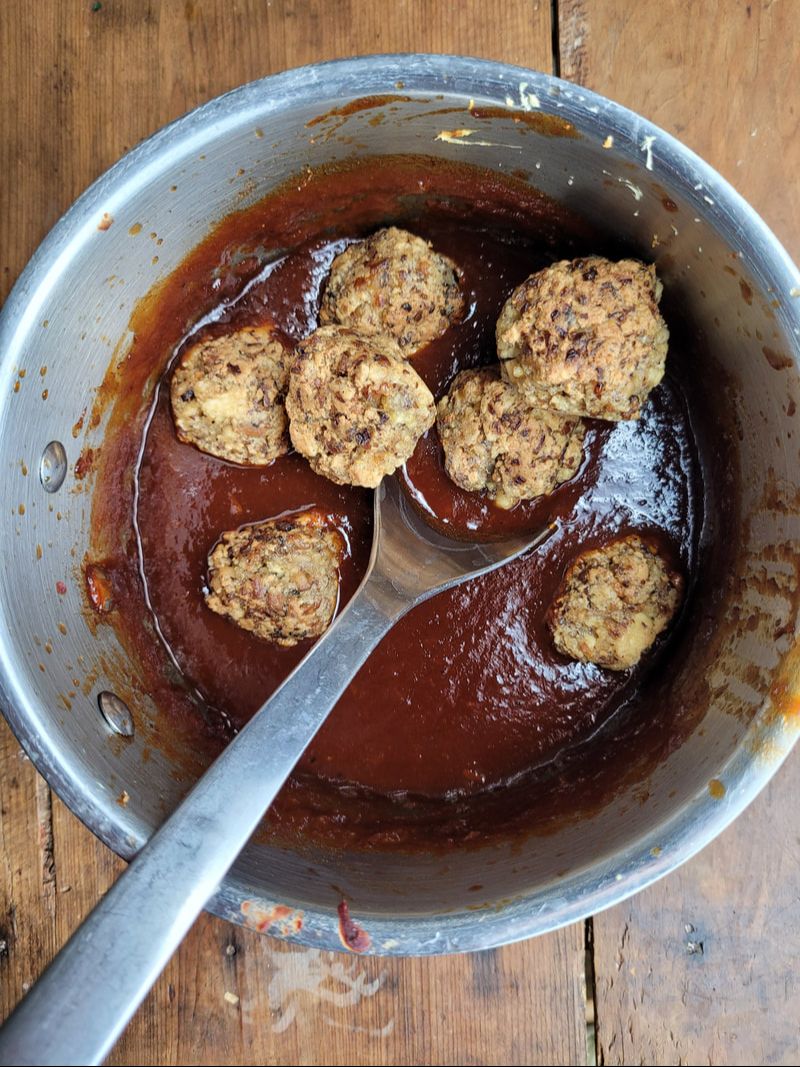
Every now and again I develop a recipe that I am extra excited to share. This is one of them. Using tofu to make meatballs is incredibly simple, and the results are great. Adding shiitake mushroom, shallot, garlic and ginger to the tofu mixture adds a lot of flavour. Then the balls get browed in a pan at which point they definitely become "meaty". The meatballs along with the Hoisin & 5 Spice Sauce, really remind me of the meatballs my mum made when I was growing up. I wasn't even thinking about them before hand! I remember hers being a sweet sauce that began with ketchup. It had brown sugar, soy sauce, and I can't remember what else, but we always gobbled them up over rice probably with a simple cooked vegetable like broccoli. The flavours here are a bit different of course, but nostalgic vibes none the less. Serving Suggestions I like to eat the meatballs over rice with steamed broccoli. Since these are tofu meatballs, they are a lot lower in fat than a meat based meatball would be. I find the final dish needs an addition of fat just to round everything out. I like to drizzle some sesame oil over top of everything, and a generous sprinkling of sesame seeds. A sprinkle of fresh cilantro is nice too. I also have served them as finger food (ok toothpick food), simply tossed in the sauce, lined up on a plate and drizzled with sesame mayo, sesame seeds and cilantro. For the mayo I just mixed some sesame oil into vegan mayo until it tasted good, with a bit of water to thin it out a bit. Into a squeeze bottle, a tasty garnish. 
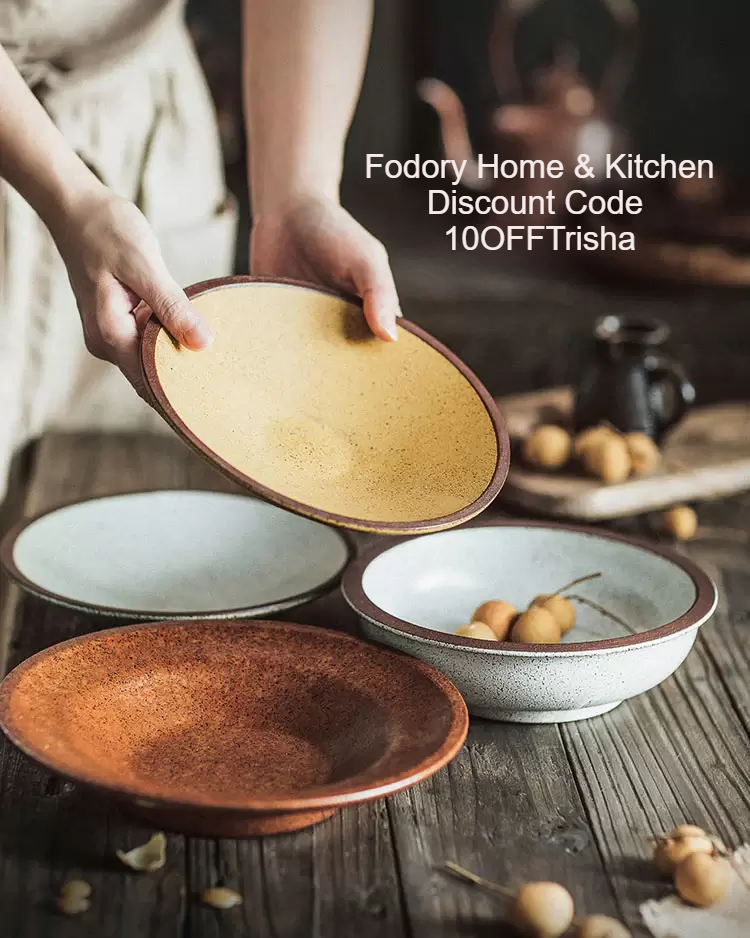
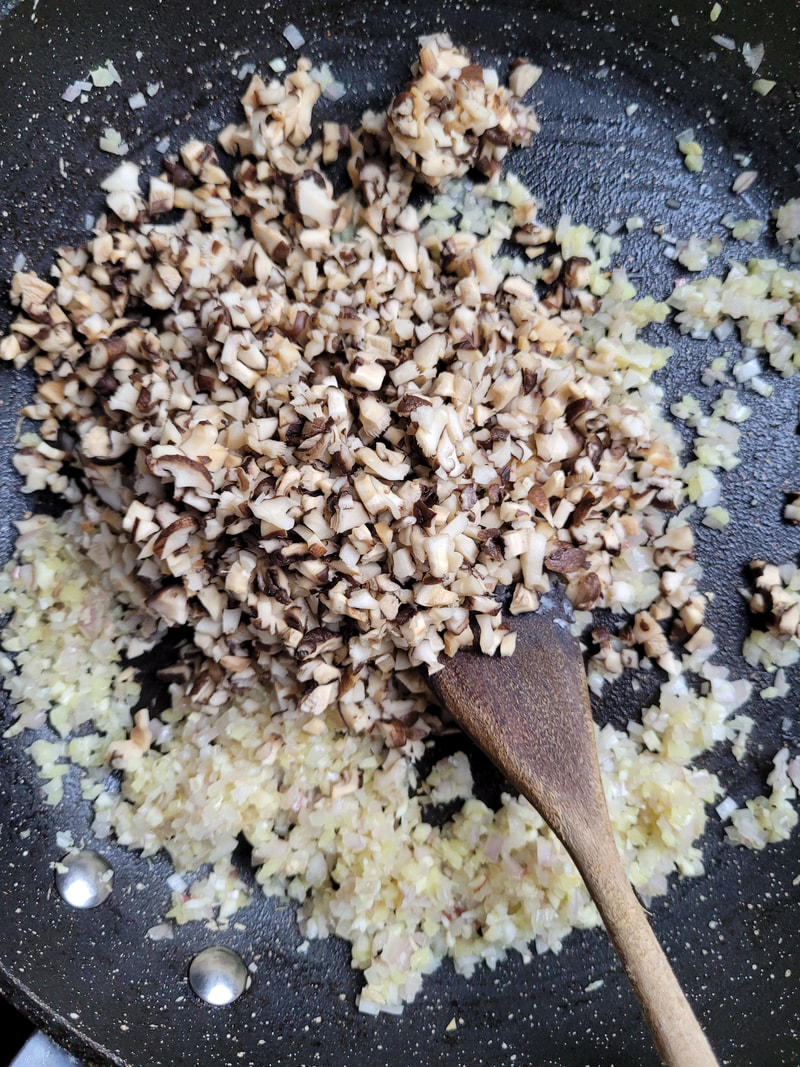
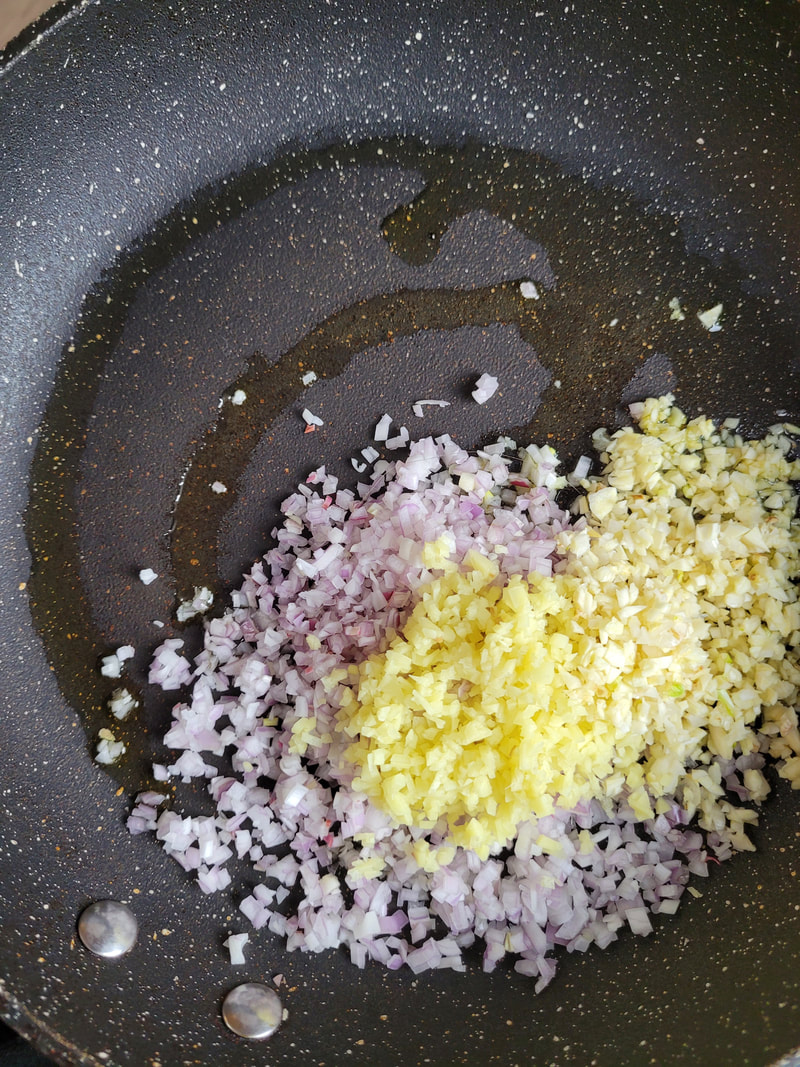
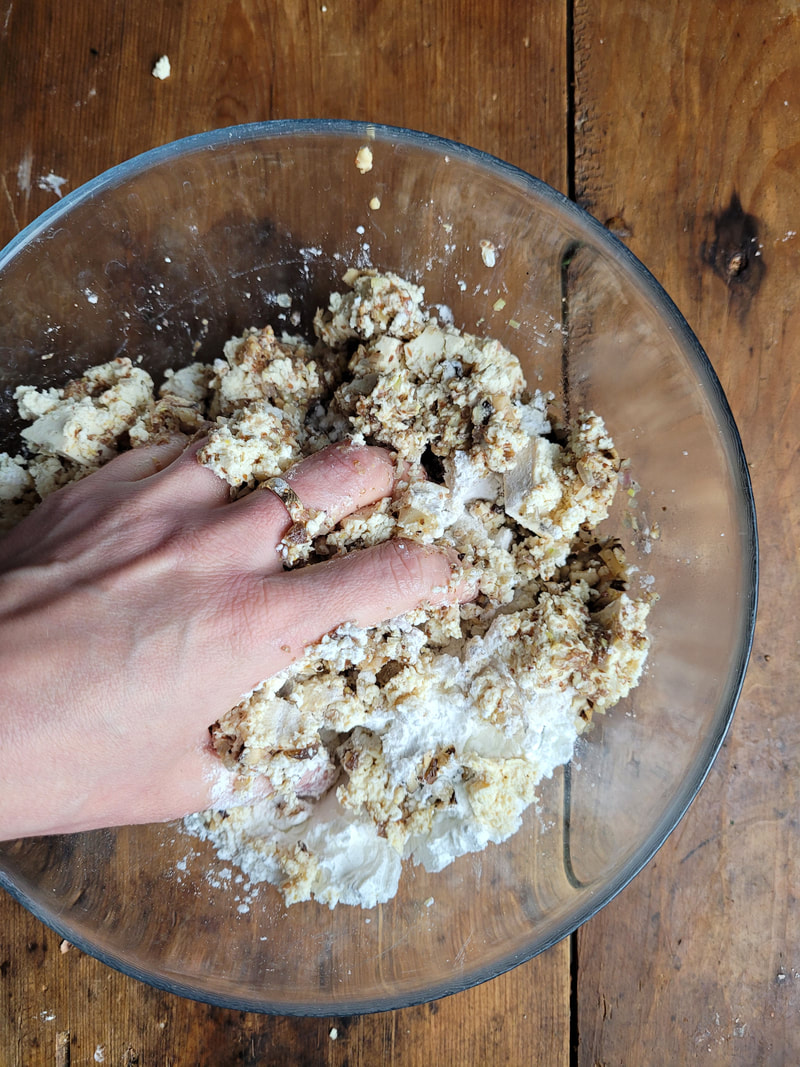
1. Rehydrated dried shiitake mushroom, shallot, garlic and ginger get softened in a pan with a bit of olive oil. This gets mixed together with tofu, cornstarch and "flax egg" (ground flax seed mixed with water).
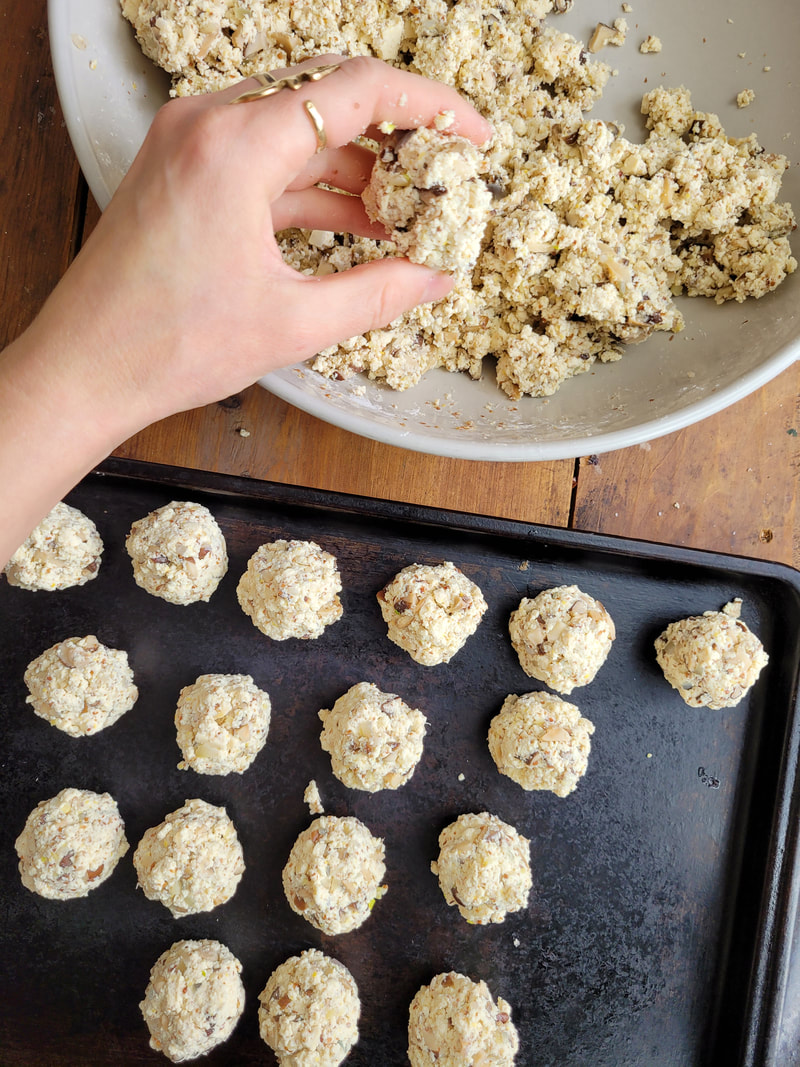
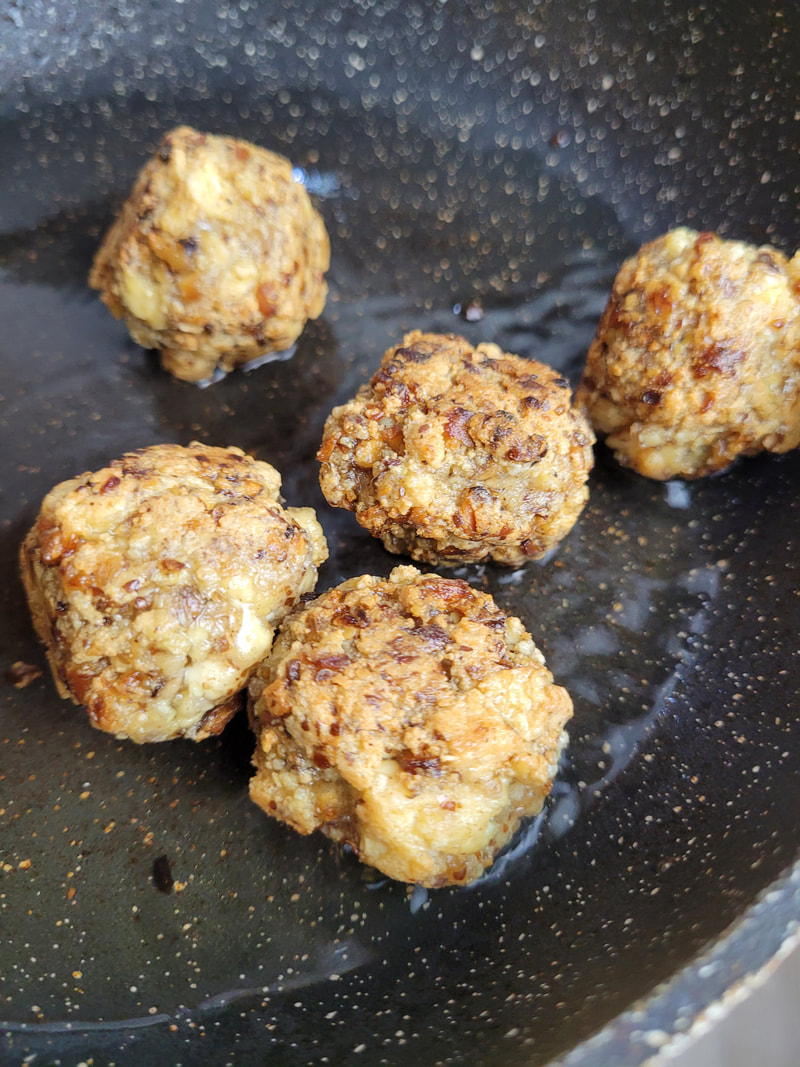
2. Form the tofu mixture into balls, and then brown in a pan with olive or veg oil for about 10 minutes over medium heat. (I turn on a pot of my 10 minute basmati rice and that's approximately as long as the meatballs take to brown)
3. Add the meatballs to the Hoisin & 5 Spice Sauce to coat. Serve over rice with steamed broccoli, a generous drizzle of sesame oil, lots of sesame seeds and fresh cilantro.

0 Comments
Recipe Difficulty: Easy
Recipe Notes
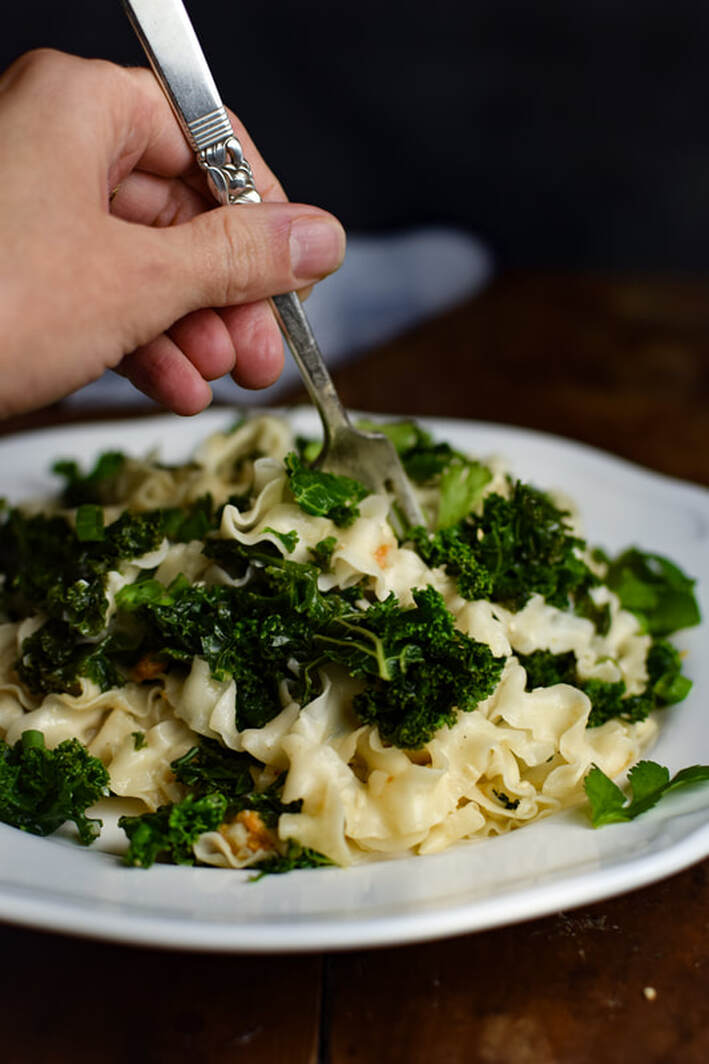
These noodles aren't going to win an award for their visual appeal, but in this instance, I don't care about that. It's a delicious meal, and has become something I make for myself almost weekly. Once you have a batch of the Szechuan chili oil made, you can make this meal in less than 30 minutes. The chili oil is best after it sits a week or so, but a batch lasts a really long time, and is delicious drizzled over all sorts of dishes for added flavour and heat. When I'm getting low, I make another batch immediately. This recipe isn't my creation. It is from "To Asia with Love" Cookbook by Hetty McKinnon. I suppose I have adapted the method a bit, and I gravitate towards using peanut butter instead of tahini, and kale instead of broccoli or brussels sprouts. I've tried all the suggestions in the book. I also like to add in cubed tofu sometimes. I've tossed in eggplant before as well. It doesn't really matter. As long as you end up with ramen noodles that are coated with delicious spiced oil. nut butter, add the right amount of noodle cooking water so the noodles aren't dry, you will have something tasty to look forward to. I don't really measure all of my ingredients, so the recipe is a bit loose in that sense, made to taste, but it's really easy to do. Another option (pictured below), is to make a batch of my shiitake tofu meatballs, brown them in a pan and serve them on top of the noodles. They are crispy on the outside and I just love them here. I make double batches of these meatballs and keep them in my freezer. You can cook them from frozen. The recipe is simple and will be better than anything you can find in the freezer section at the store. They are suited to recipes with an Asian flare, I tried them with marinara and spaghetti just for fun, but the flavours aren't right. As you can see with my szechuan noodles, I often switch up the veg and type of noodles I use. Anything goes. It's meant to be a quick meal when I'm short on time, using what I have on hand. (I always make sure I have stuff to make some variation of this dish...I eat it once a week!) 
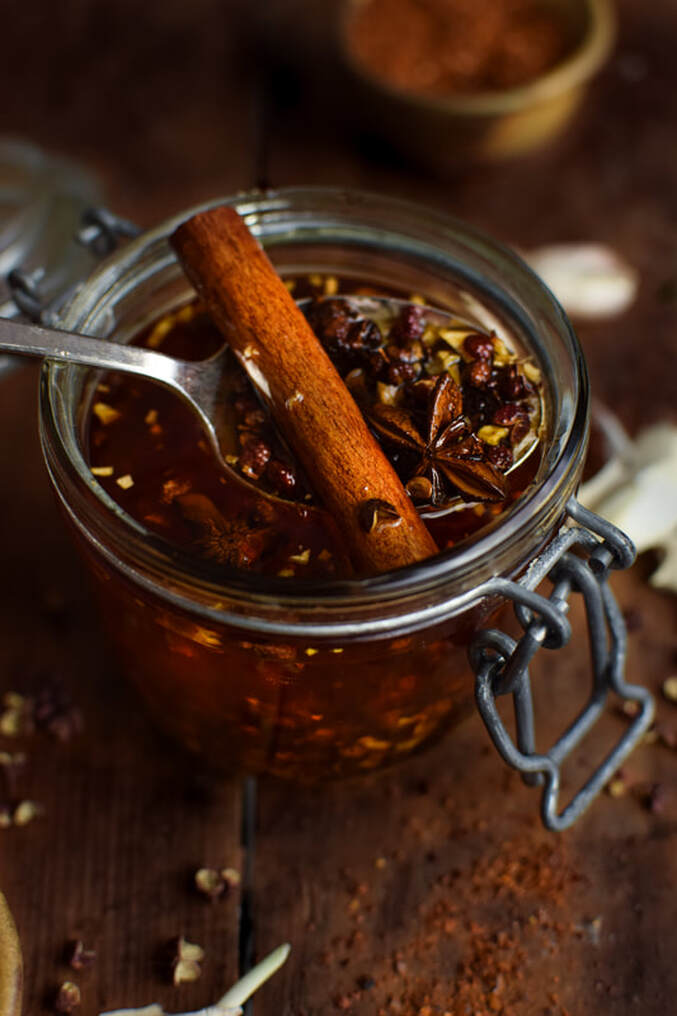
1. Make Szechuan Chili Oil a head of time.
The star of this recipe is this Szechuan chili oil. It's so delicious, and takes the guess work out of making a tasty bowl of noodles when the craving, or need for a quick meal, strikes. It does have heat, so if you aren't a fan of spice this might not be for you. Even though I find it has a decent kick, and I consider myself to have a low to medium tolerance for spice, there's something different about this compared to just adding a butch of hot sauce to something. It's flavoured with Szechuan, gochujang powder, chili flakes, chopped garlic, ginger, star anise and cinnamon, and is incredibly delicious. This is the only make ahead part. While you can start using the oil probably after a couple days, and I do, but the flavour and spice improves and deepens over time. For this reason, I don't strain the oil right away, and instead if I want to use some, I just spoon a little bit through a strainer because I want to avoid pieces of the peppercorn in my food. I tried that and the chunks of Szechuan peppercorns were just kind of harsh and not delicious. After a month or so I did strain the oil into a clean glass jar so it was easier to utilize. You can find Szechuan peppercorns and gochugaru (also known as korean chili powder) in Asian markets (I just ask for help locating ingredients when I go), or possibly in the international section of some grocery stores. I'm sure you could find them both on Amazon, if needed, too. 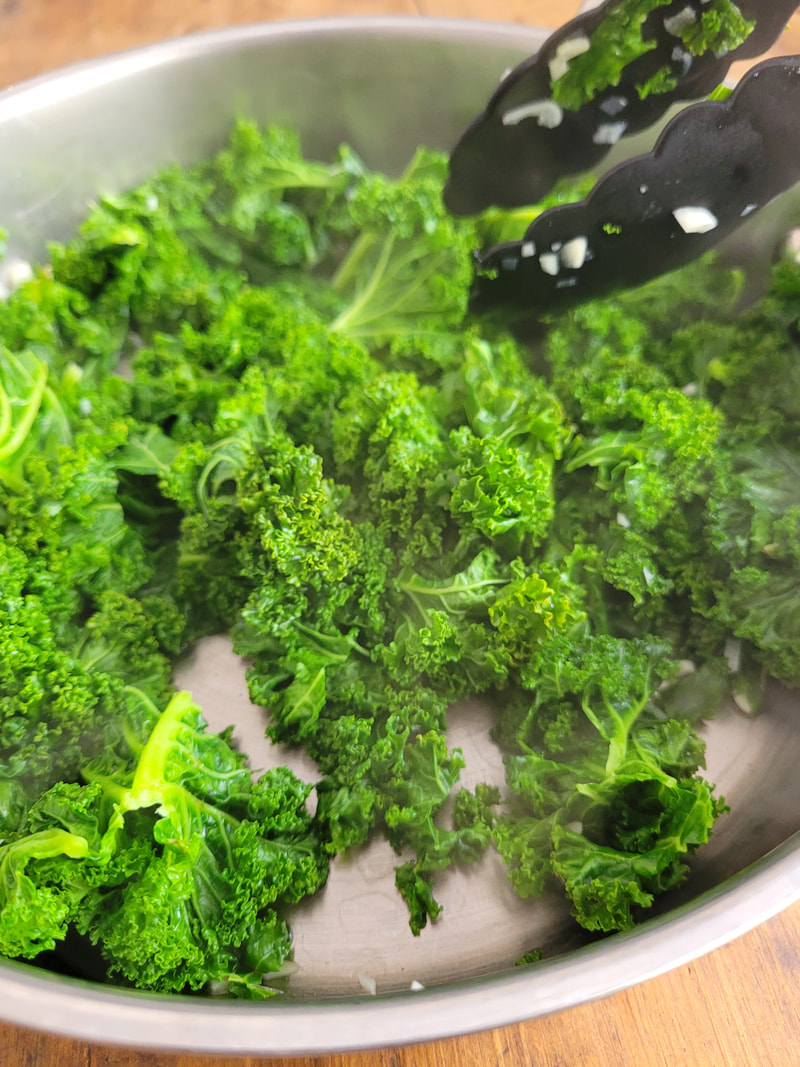

2. Cook the Kale
First, cook kale in a bit of water. I add in a few cloves of chopped garlic, too. The original recipe calls for charred broccoli. There is already a lot of oil in the recipe, so I prefer to keep my greens oil free by steaming them in a pan. Just add a splash of water at a time until the kale is cooked and wilted. Cutting the kale in small pieces makes it easier to eat and chew.
3. Cook the Ramen Noodles
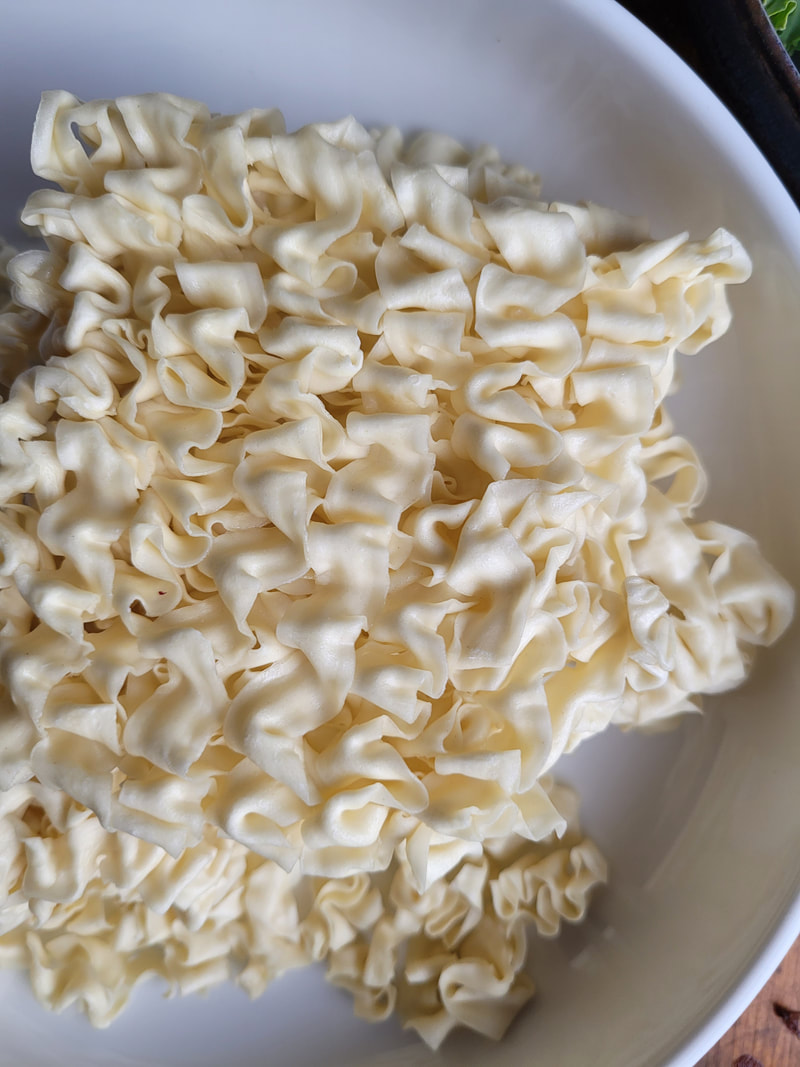
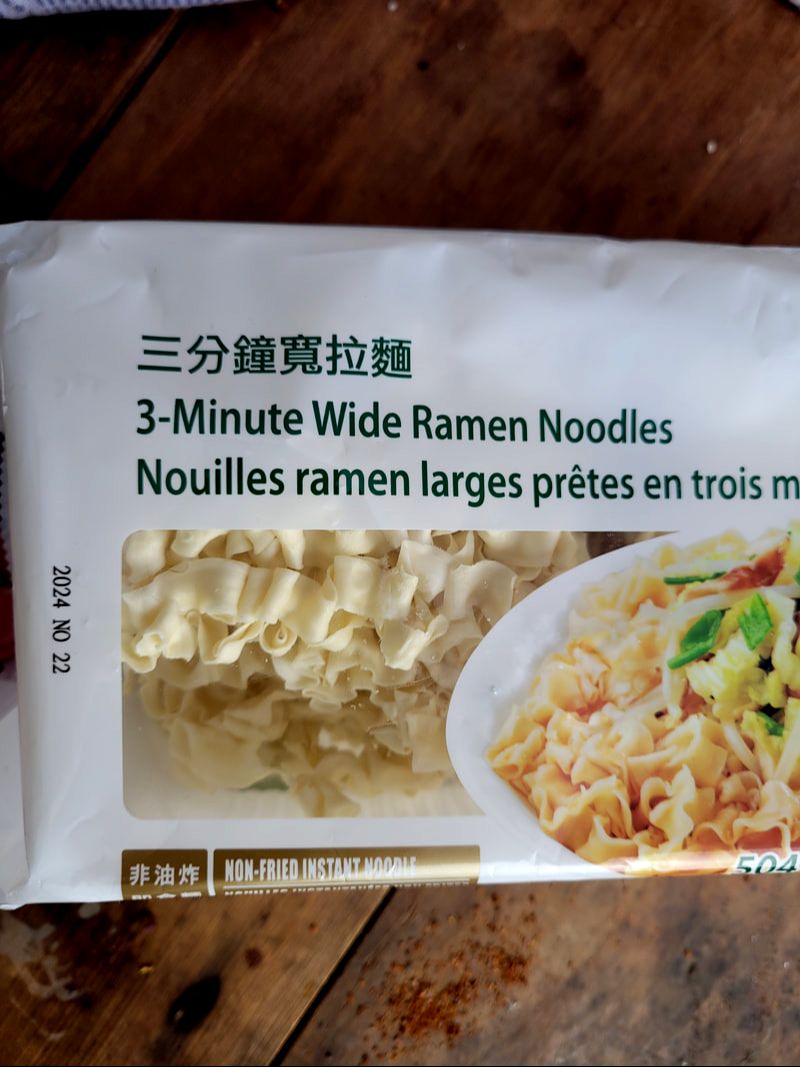
Grab a couple "pieces" of thick cut ramen noodles (I don't know what to call them, squares? they come pre-formed in a big bag. Pretty sure it is a standard thing) The ones I buy are 63 grams each. Cook them in boiling water with a bit of salt. Don't dump them out into a strainer. 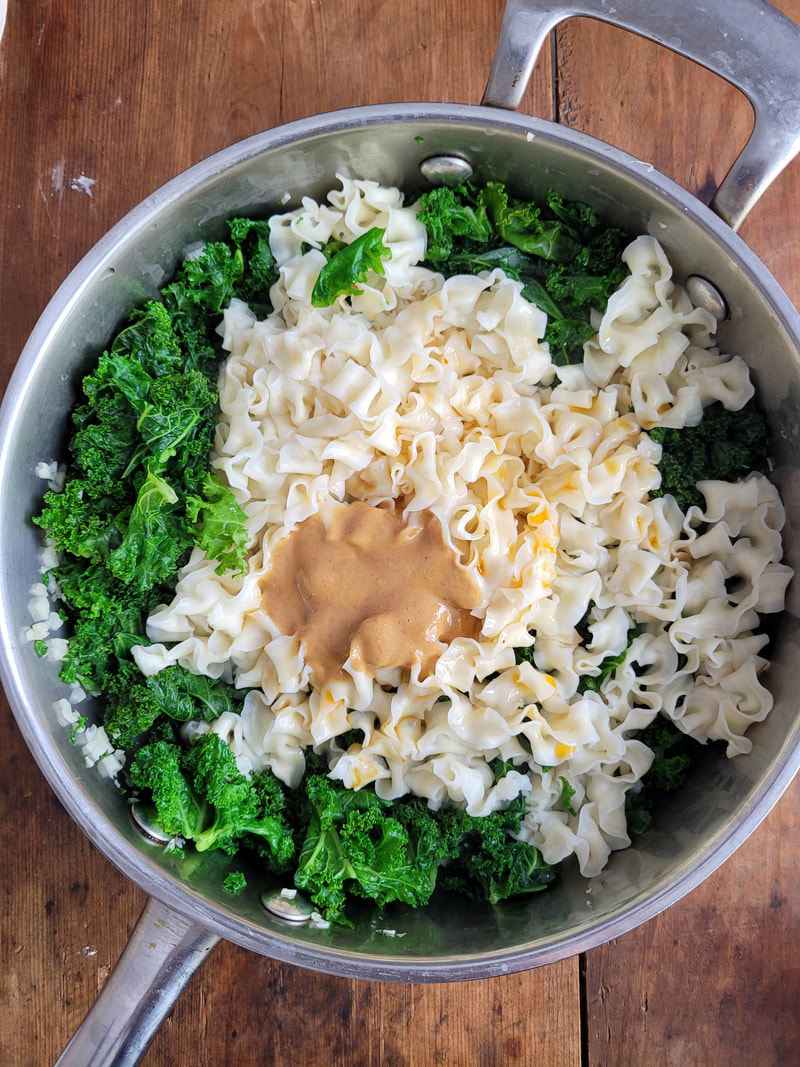
4. Dress Noodles & kale with peanut butter and flavoured oils.
Use tongs to transfer them to the pan with your kale. Add a couple small ladle fulls of noodle cooking water. Add peanut butter (Make sure the peanut butter is natural, and drizzly. Too stiff you will never get it mixed in. Then add a small drizzle of sesame oil, and several swirls of the Szechuan Oil. Mix to combine. The noodle water you add helps create a sauce. They would be too dry otherwise. Taste a noodle. They should coat your lips with delicious oils/nut butter. If you can't taste the Szechuan oil, add a bit more. 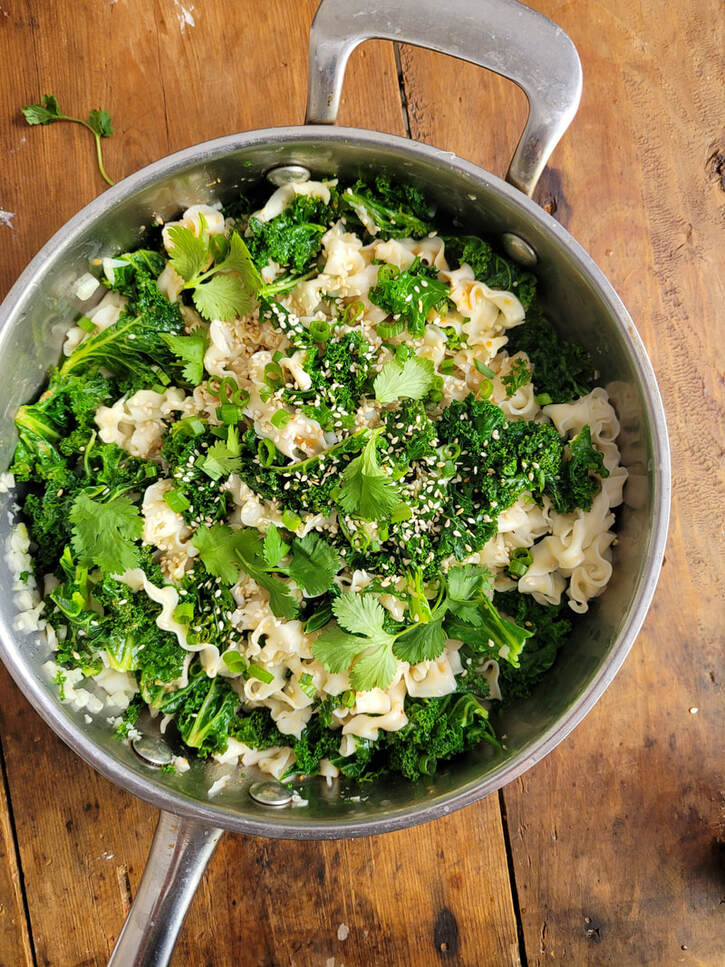
5. Garnish with toasted sesame seeds, chopped green onion & fresh cilantro. Enjoy!

Hey friends! This page may contain affiliate links. If a purchase is made through one of the links, I may make a small commission at no extra cost to you.
|

Author I'm Trisha Archives
May 2024
|
 RSS Feed