|
Recipe Difficulty: Easy
Recipe Keywords: Minestrone, Vegan, Pasta, Vegetable, Soup, Healthy
My Minestrone Recipe Notes
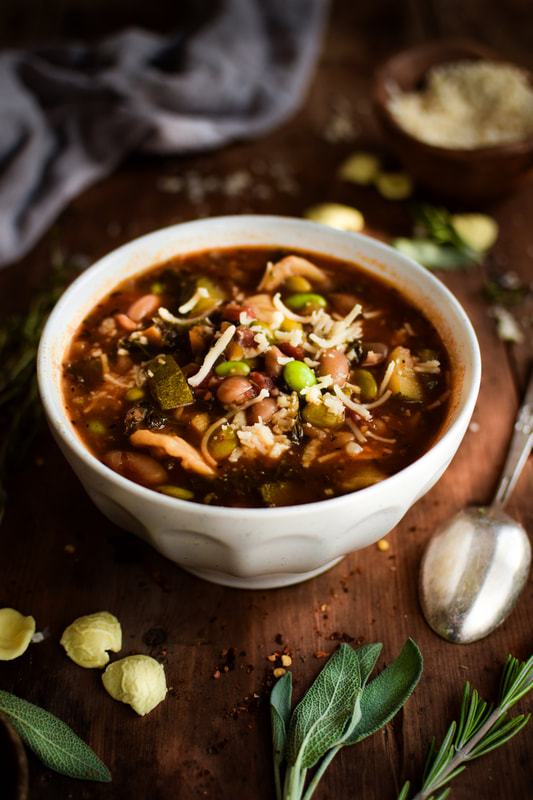
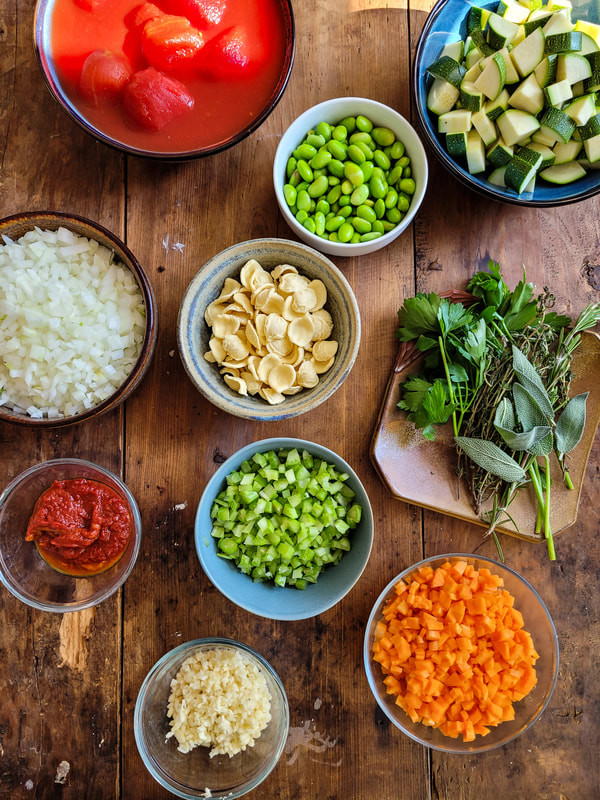
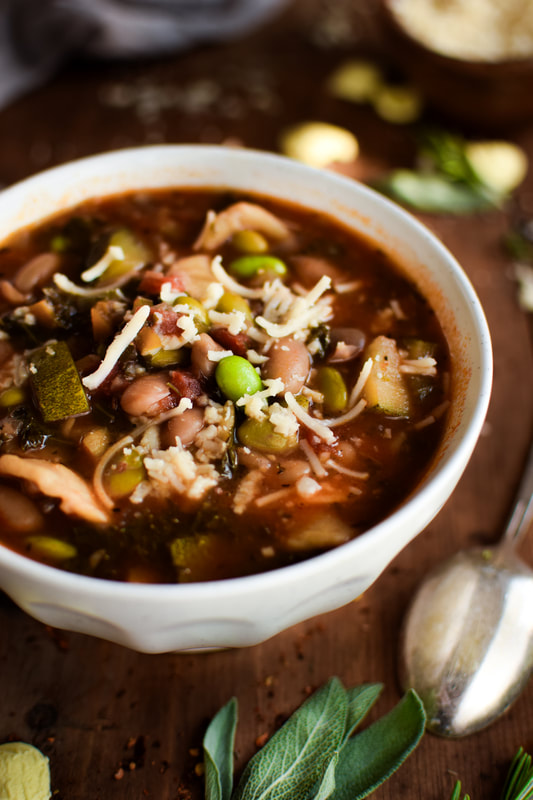
I am completely in love with this soup. It’s simple, flavourful, hearty, and incredibly satisfying—basically everything I want in a bowl. While there are countless variations of minestrone soup, I honestly don’t remember ever trying it before creating my own version. Since minestrone recipes vary widely in vegetables and seasonings, I simply used what I had on hand—and I’ll include some ideas below for easy substitutions. This version may not be strictly traditional, but it’s inspired by classic minestrone and has quickly become one of my favorite vegan soup recipes on the blog. It’s completely plant-based, loaded with vegetables, beans, and fresh herbs, and made with simple pantry staples. Whether you’re craving a cozy vegan soup or a quick weeknight dinner, this one’s a keeper.
What's in my soup?
History of Minestrone
Minestrone is one of Italy’s oldest and most beloved soups, with roots that trace back to ancient Roman times. Originally a humble, peasant-style dish, it was made from whatever seasonal vegetables were on hand—a true reflection of the Mediterranean “cucina povera” (poor kitchen) philosophy. Unlike many classic recipes, minestrone doesn’t have a fixed ingredient list. It evolved regionally across Italy, often featuring beans, pasta or rice, and an assortment of vegetables like carrots, celery, zucchini, and leafy greens. Some versions include meat or broth, while others are entirely plant-based—making it an ideal dish for vegans and vegetarians alike. Minestrone continues to be celebrated for its flexibility, comfort, and nutrient-rich ingredients, and has become a staple in kitchens around the world.
Want to add pasta to your minestrone?
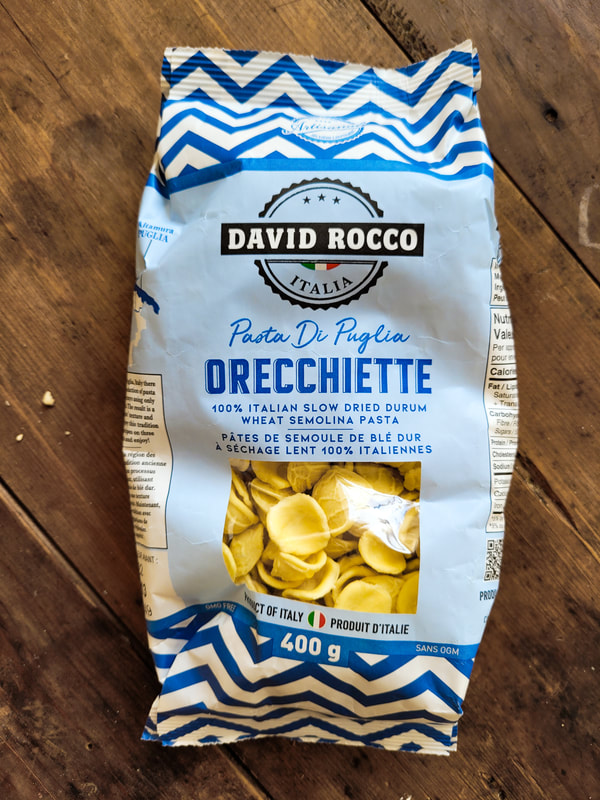
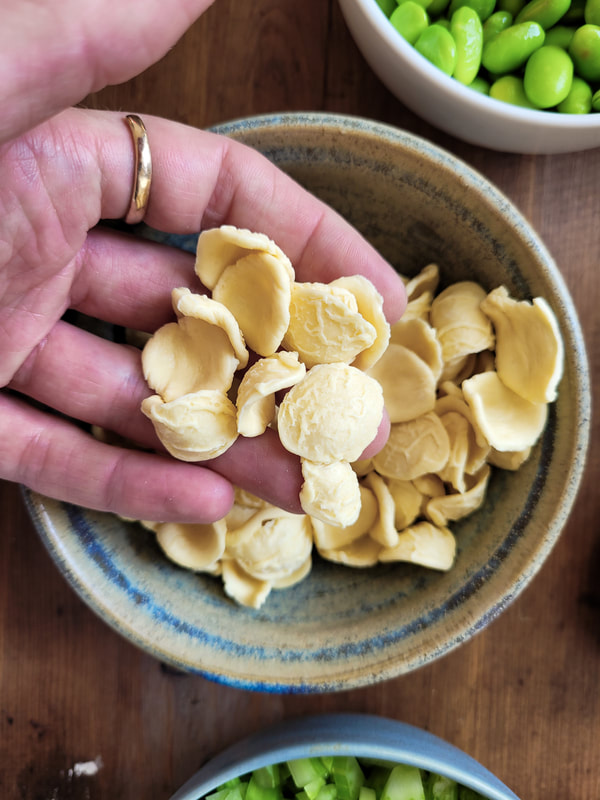
If you want to add pasta to your minestrone, you definitely should. Make sure to use a good-quality pasta—it makes a difference! Look for bronze-cut pasta or a trusted Italian brand, which holds its shape and texture better in soup. Small shapes like ditalini, small shells, or elbow macaroni work especially well. Bronze-cut pasta is made using traditional bronze dies (molds), which create a slightly rough, textured surface on the noodles. This texture helps sauces—and in the case of soups like minestrone, broths and seasonings--cling better to the pasta, resulting in more flavorful bites. What is Ditalini? Ditalini is a small, tube-shaped pasta commonly used in soups like minestrone and pasta e fagioli. The name means “little thimbles” in Italian. Its short, hollow shape makes it perfect for holding onto broth, beans, and bits of vegetables, creating a perfectly balanced spoonful every time. You’ll often find ditalini in the pasta aisle near other small shapes like orzo or elbow macaroni.
Choosing a Vegan Parmesan (Store-Bought, Shredded, or Homemade)
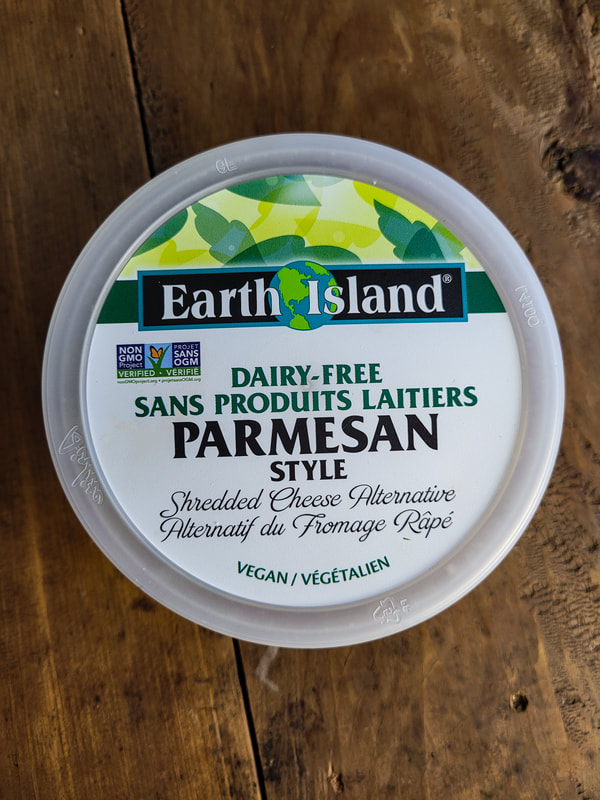
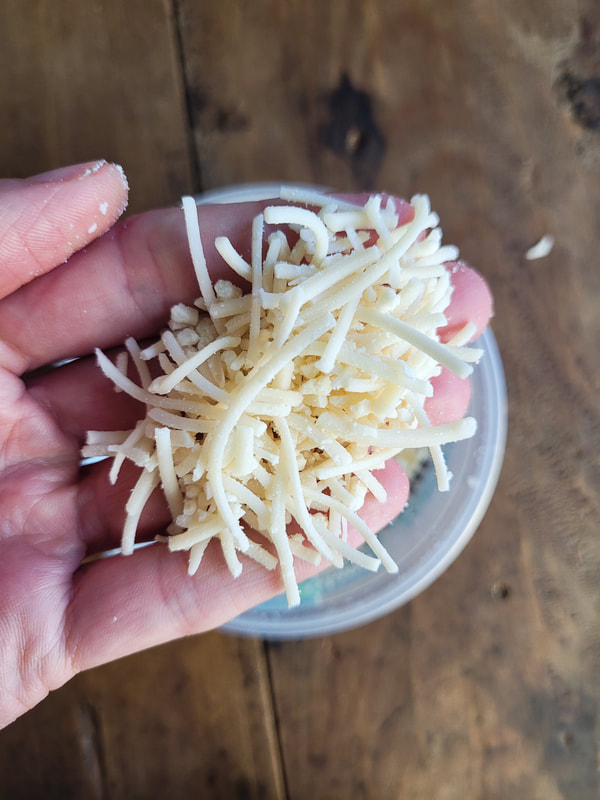
I always finish this soup with some kind of vegan parmesan—and you’ve got a few great options depending on what you have on hand (and how much effort you want to put in!). 1. Store-Bought Vegan ParmesanThere are several vegan parmesan brands available at most natural grocery stores, and some are definitely better than others. I like the one pictured below from Earth Balance—it’s flavorful and has a nice firm texture. The only downside? The price. A small container will set you back at least $7 (though, to be fair, real parmesan isn’t cheap either!). If you can’t find a parmesan-specific product, some vegan mozzarella or Italian-style blends can work. Just check the texture--avoid the soft, melty shreds typically used for pizza. Look for firmer shreds that resemble grated parmesan. 2. Homemade Vegan Parmesan Options There are lots of simple, recipes for vegan parmesan online. They’re typically made from nuts (like cashews or walnuts), nutritional yeast, garlic powder, and salt, blended together to create a crumbly, salty, cheesy topping. For pasta dishes, I sometimes make a garlicky panko crumb topping as a parmesan substitute—it crisps up beautifully and adds a nice texture. My Favorite: Walnut Parmesan For this soup, I use my own walnut parmesan topping—made with just walnuts, nutritional yeast, garlic powder, and salt. It’s quick, easy, and packed with flavor. Salty, nutty, and cheesy in the best way. (You can grab the full recipe here.)
Want to make your own Veg stock?
While I have no problem using store-bought broth in a pinch, I often make my own—and honestly, it couldn’t be easier. I don’t follow a strict recipe, and if you’ve read any of my soup posts, you’ll probably notice I mention this every time.
Here’s how it works: I keep a dedicated freezer bag in my kitchen at all times. Whenever I’m cooking, I toss in vegetable scraps—things like onion peels, garlic ends, celery tops, wilted parsley, tomato cores, tired mushrooms, or carrots that are past their prime. Even slightly overripe tomatoes sitting on the counter get saved. I waste practically nothing. Once the bag is full, that’s my cue to make stock. How I Make Vegetable Broth from Scraps
At this point you can use it right away. Reduce the broth for freezing: clean out the pot, return the strained liquid, and simmer it down to about 2 cups of concentrated broth. Freeze in a small container. When you’re ready to use it, just thaw and add water to reconstitute it for soup-making. I don’t follow an exact ratio—it always seems to work out.
1 Comment
|
Author I'm Trisha Archives
January 2026
|


RSS Feed